The Leftist Case for Not Slowing Down Data Center Buildout Even A Little Bit
Trying to parse the confusing & sloppy Jacobin anti-moratorium piece
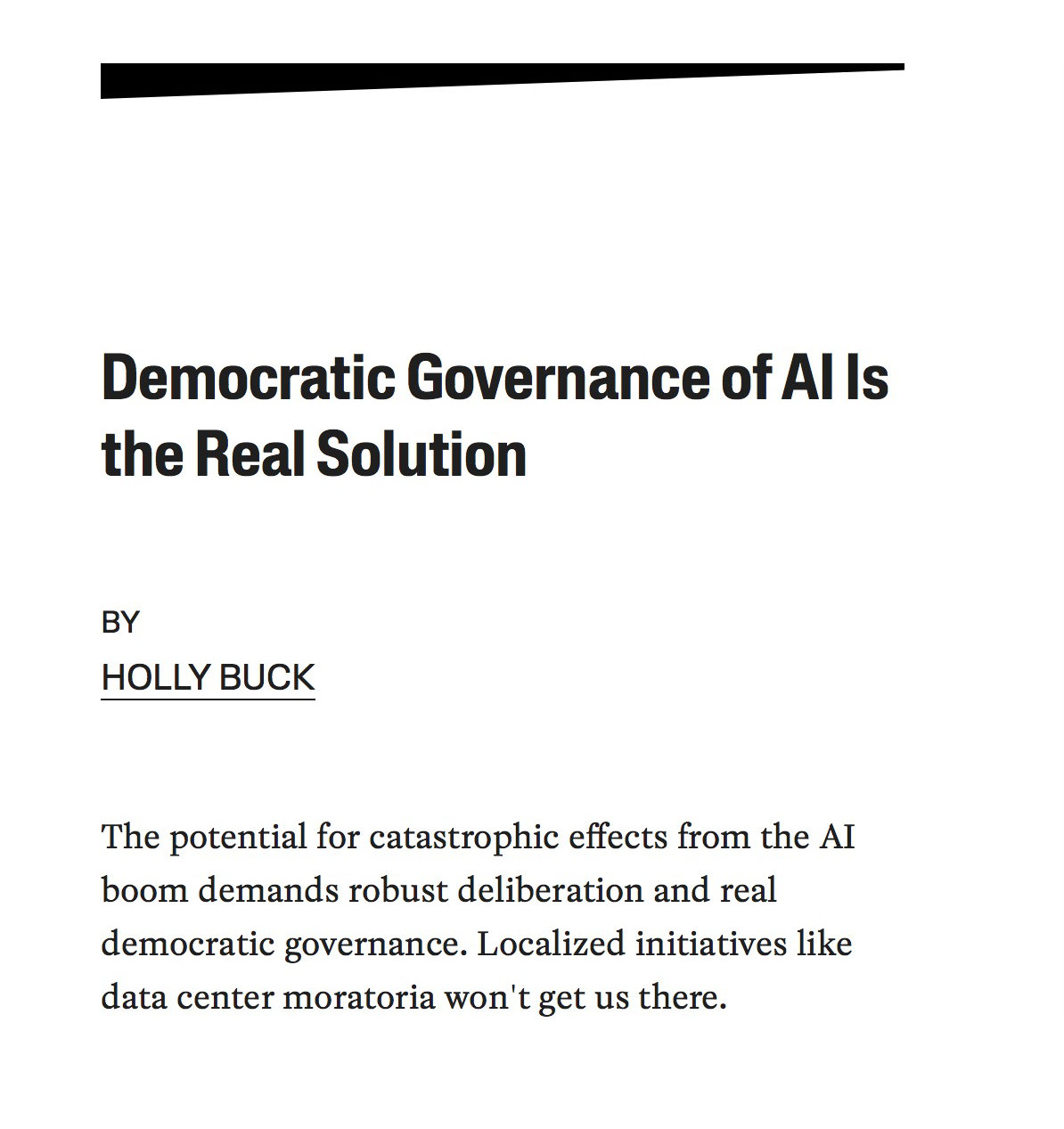
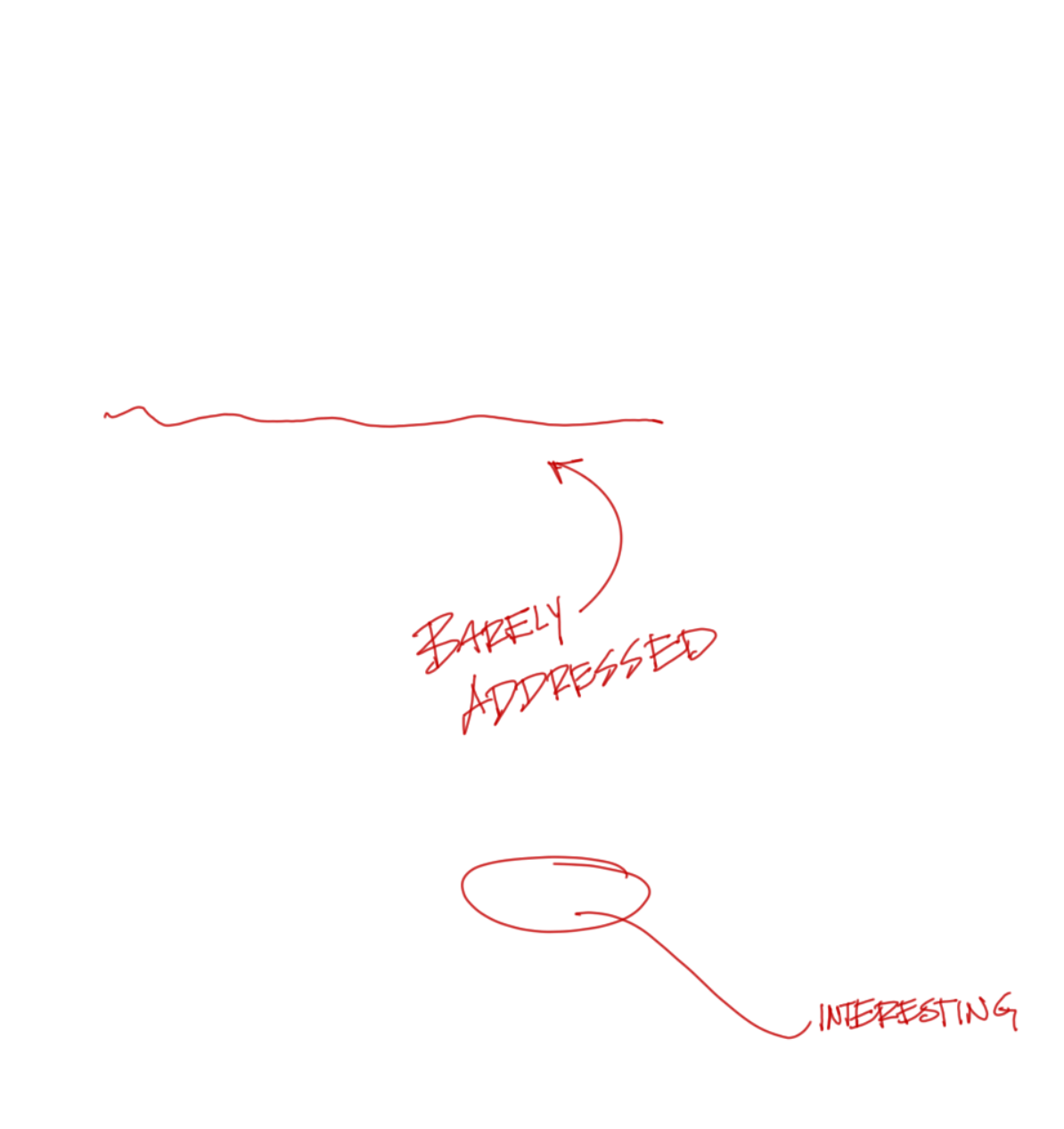
OK.... I'm expecting to hear about how we can implement some democratic governance of AI.
At the very least we should get some intel on "robust deliberation" whatever that meaans in this context, and we should be walking away with a clear idea of how data center moratoria are an obstacle to this goal. Let's crack into it.
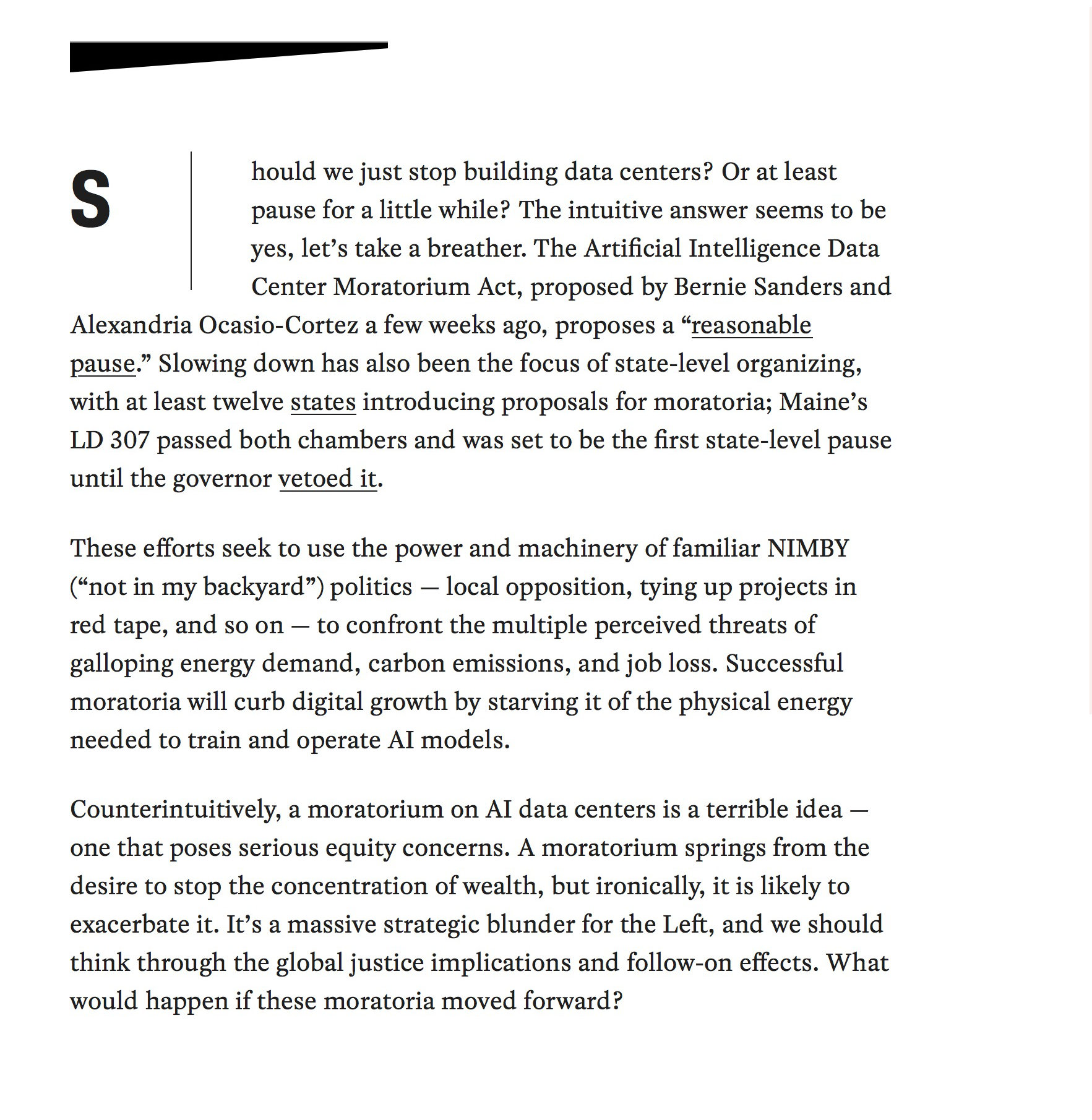
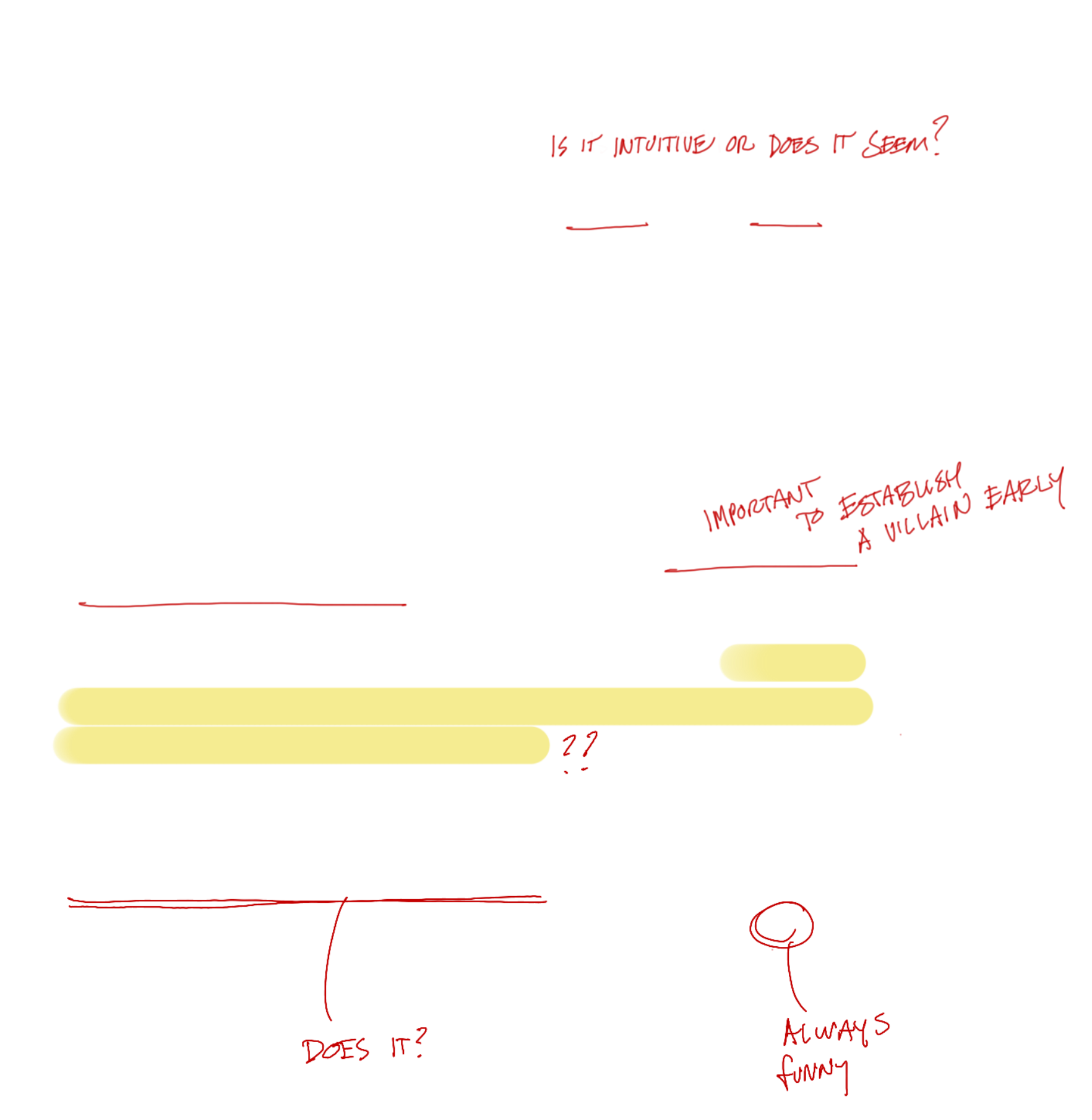
Thank goodness we have a group of people center-left liberals are already primed to despise: the dreaded NIMBY. If these guys are in the mix, you can be pretty sure you wanna oppose whatever they're up to.
*Whose assertion is this? The way it's stuck on the end of this paragraph implies that this is a stated goal of "these efforts." But I think "these efforts" are much more about limiting negative environmental impacts on local communities than they are about "curbing digital growth." Bizarre.
**Wait, hold on. Now the goal is to "stop the concentration of wealth"? I'm not sure about that one Holly. Do you know anyone protesting data centers you could actually ask?
(Our favorite "We"... You're gonna want to keep your eyes out for some hilarious pronoun usage in this piece)
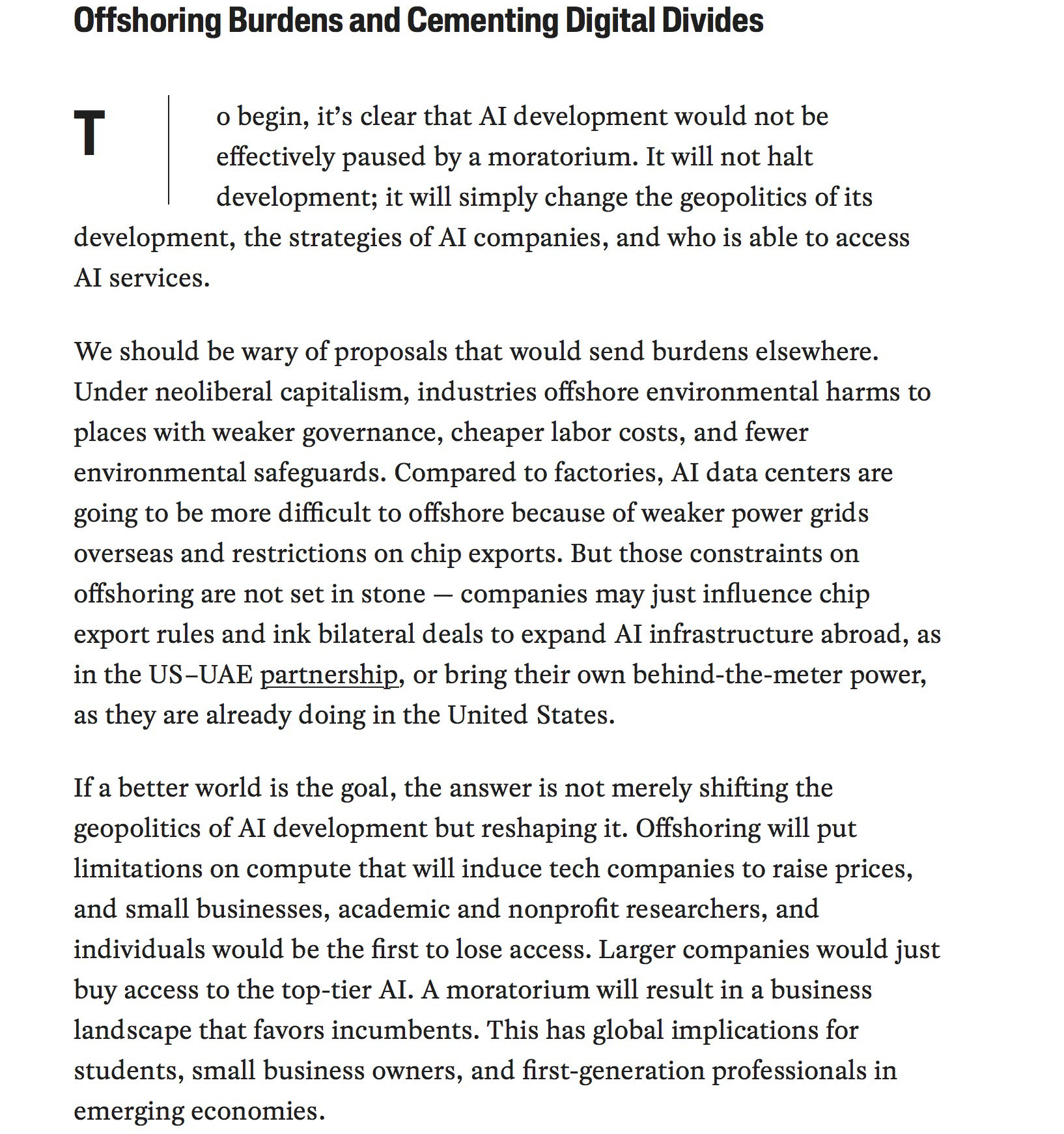
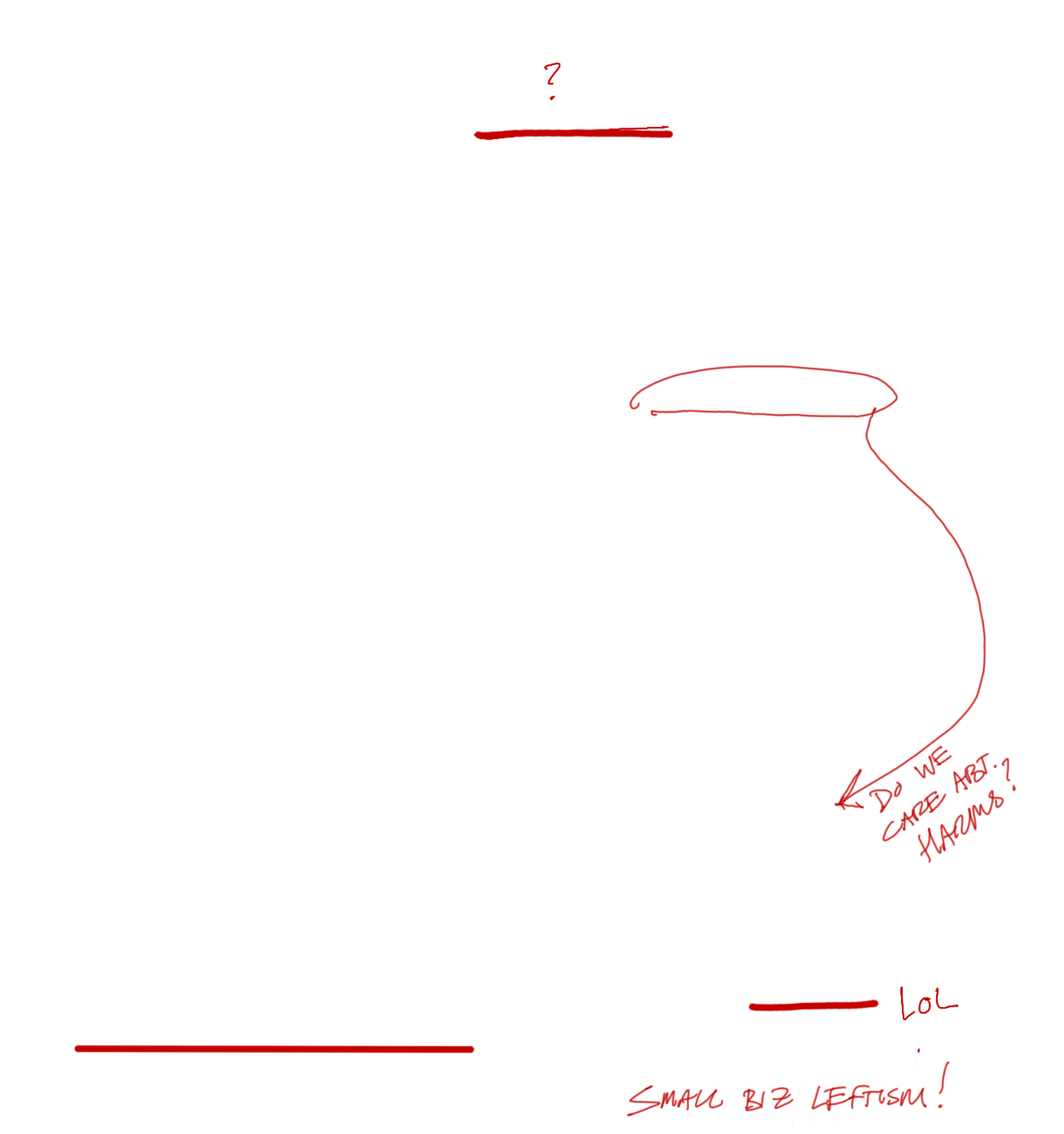
If you thought the last chunk was bad, we're really starting to get muddled now.
1. "AI development." What does that mean? Clearly, it's something distinct from the physical data center infrastructure, which would certainly be paused by a moratorium.
2. OK - data centers will be difficult to offshore. THat probably means we have some leverage, right? No, wait. The constraints are not set in stone. Drat.
3. Turns out it's lucky they're difficult to offshore - they cause environmental harm! Which we care about. Remember that we care about it.
And here we have what I believe to be the crux of Beck's argument:
Limiting compute in any way, shape, or form will result in higher consumer LLM costs. Which, as small-business leftists, we naturally oppose!
(Whether or not these companies will be raising their prices for other reasons, i.e. to attempt to scrape together any kind of revenue that even sort of measures up to their insane capex outlays, is outside the scope of this piece and is left as an exercise for the reader.)
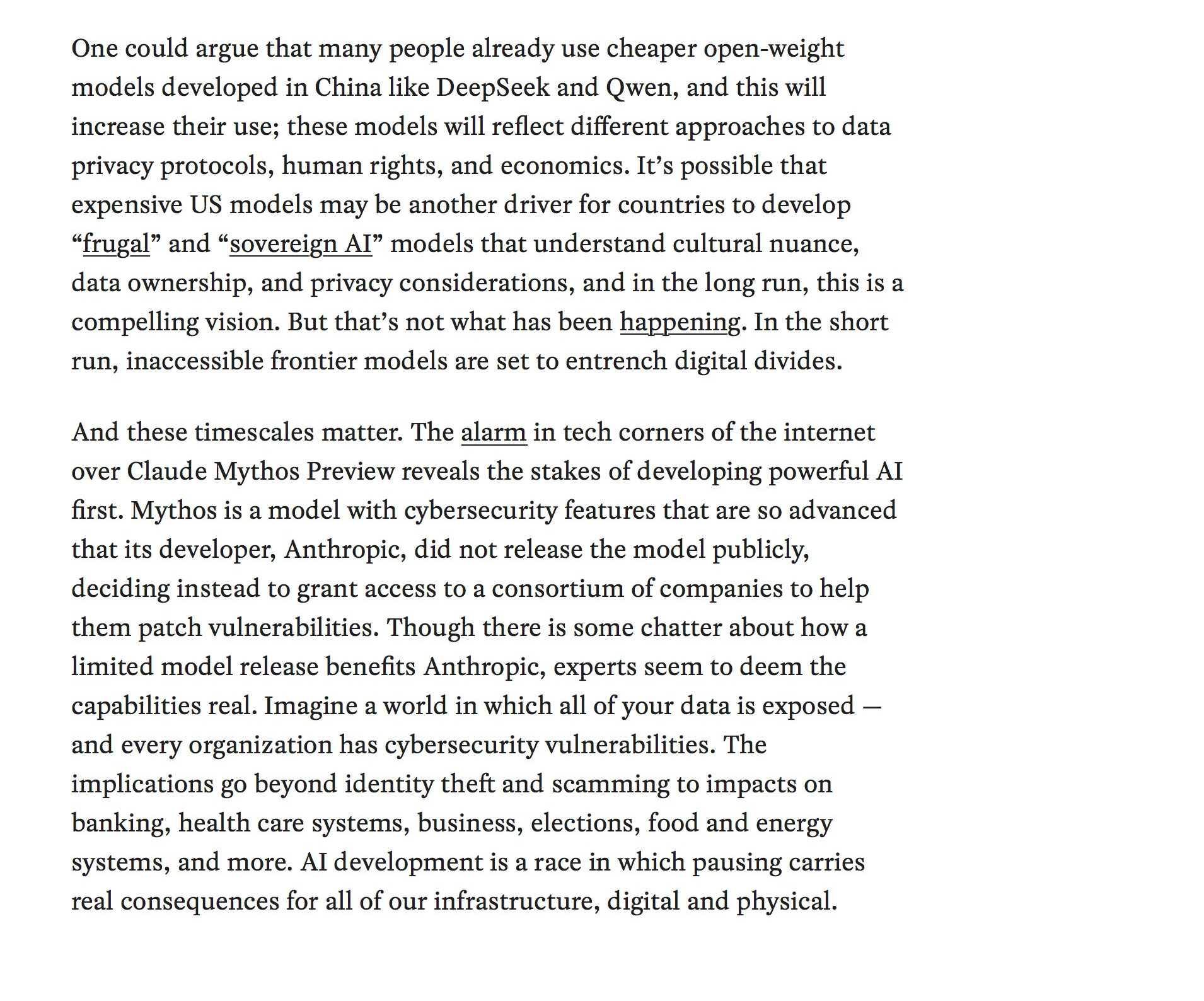
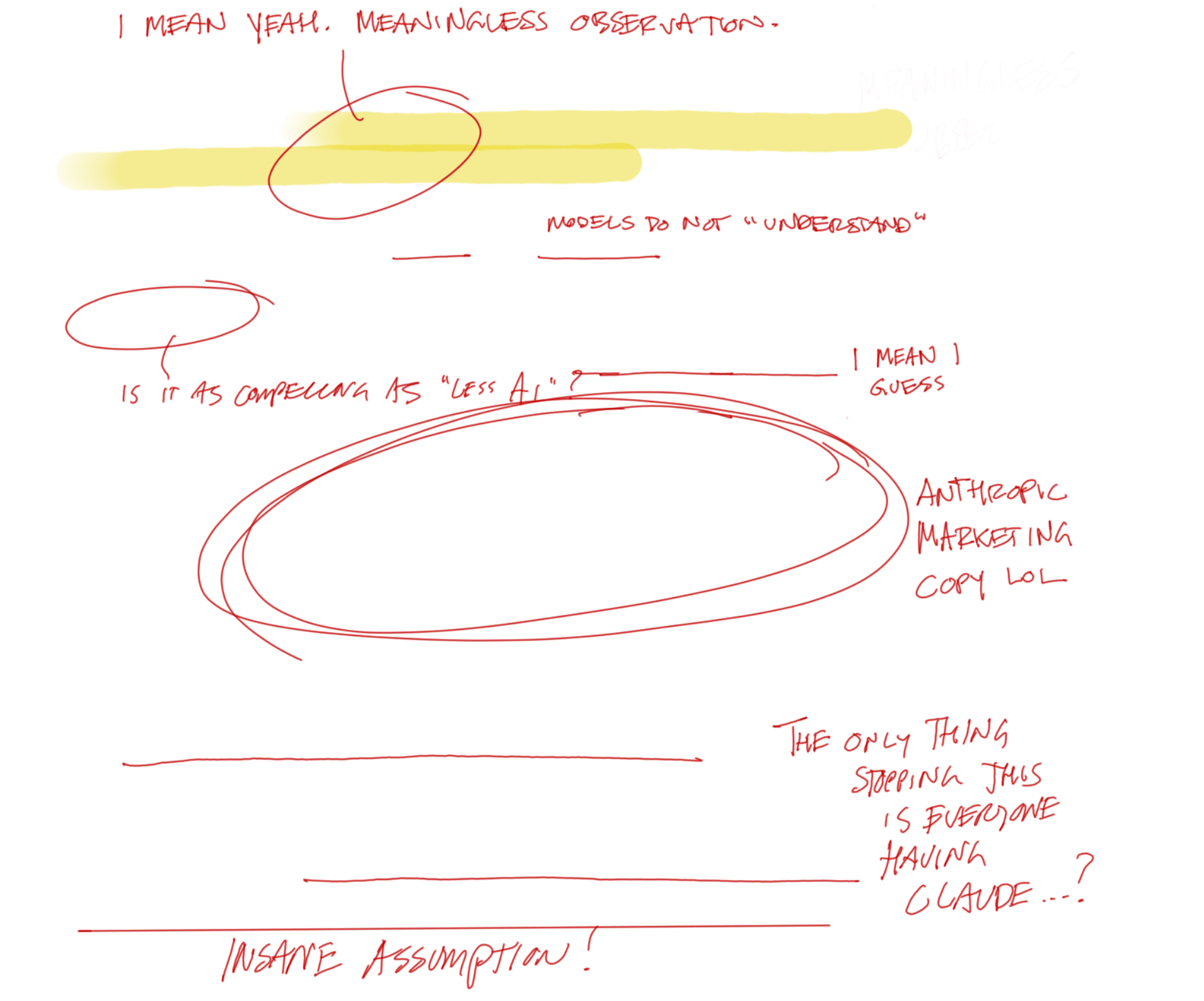
*Sure, you could use a cheaper model. But keep in mind... it might be Chinese.
**If we slow down AI development even a little bit, everyone's bank account is getting hacked, due to the incredible power of Claude Mythos TM. Is that what you want? You want hospitals, schools, grandmothers, unable to defend themselves with their own copies of Claude Mythos TM?
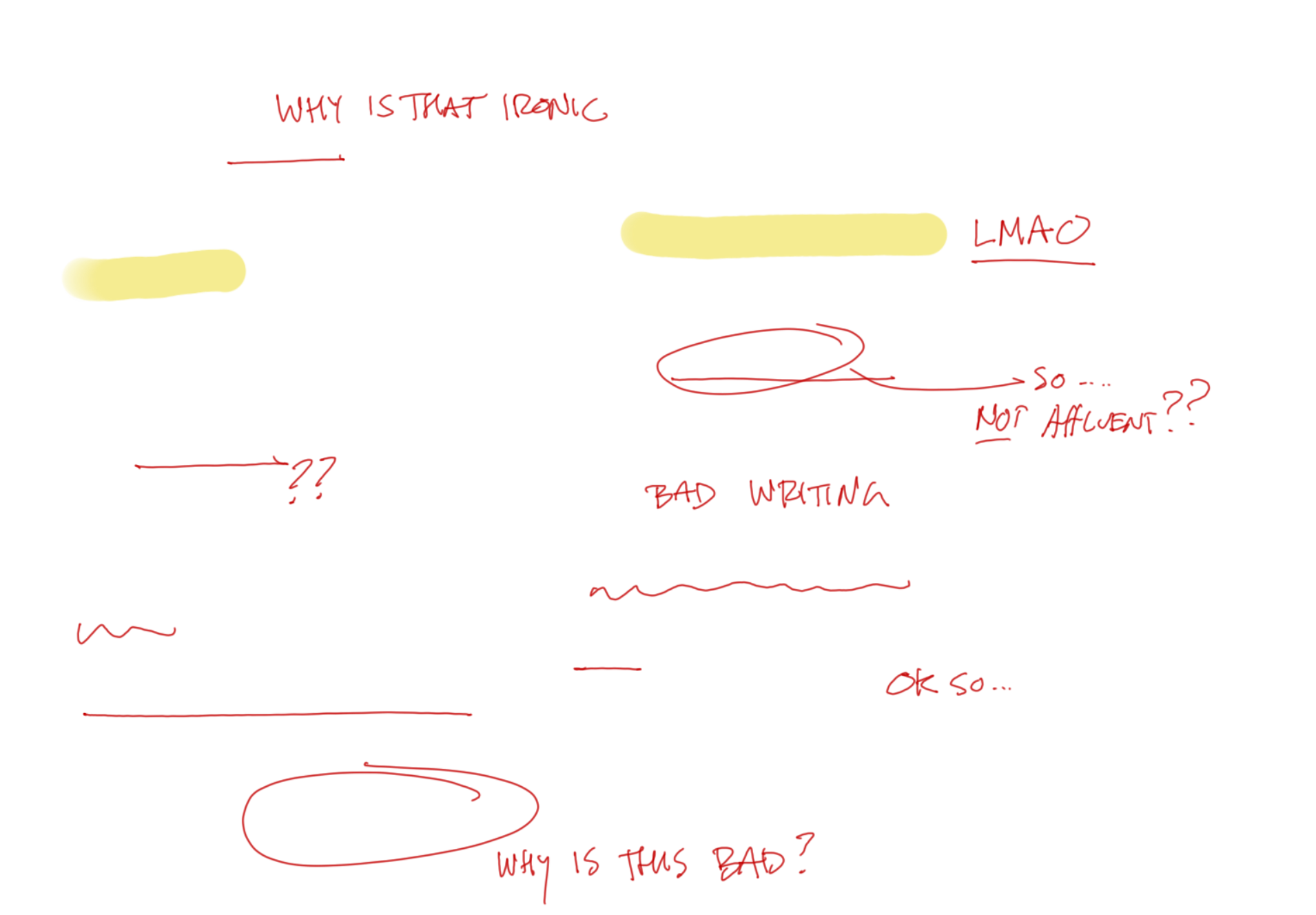
Now this is the good shit.
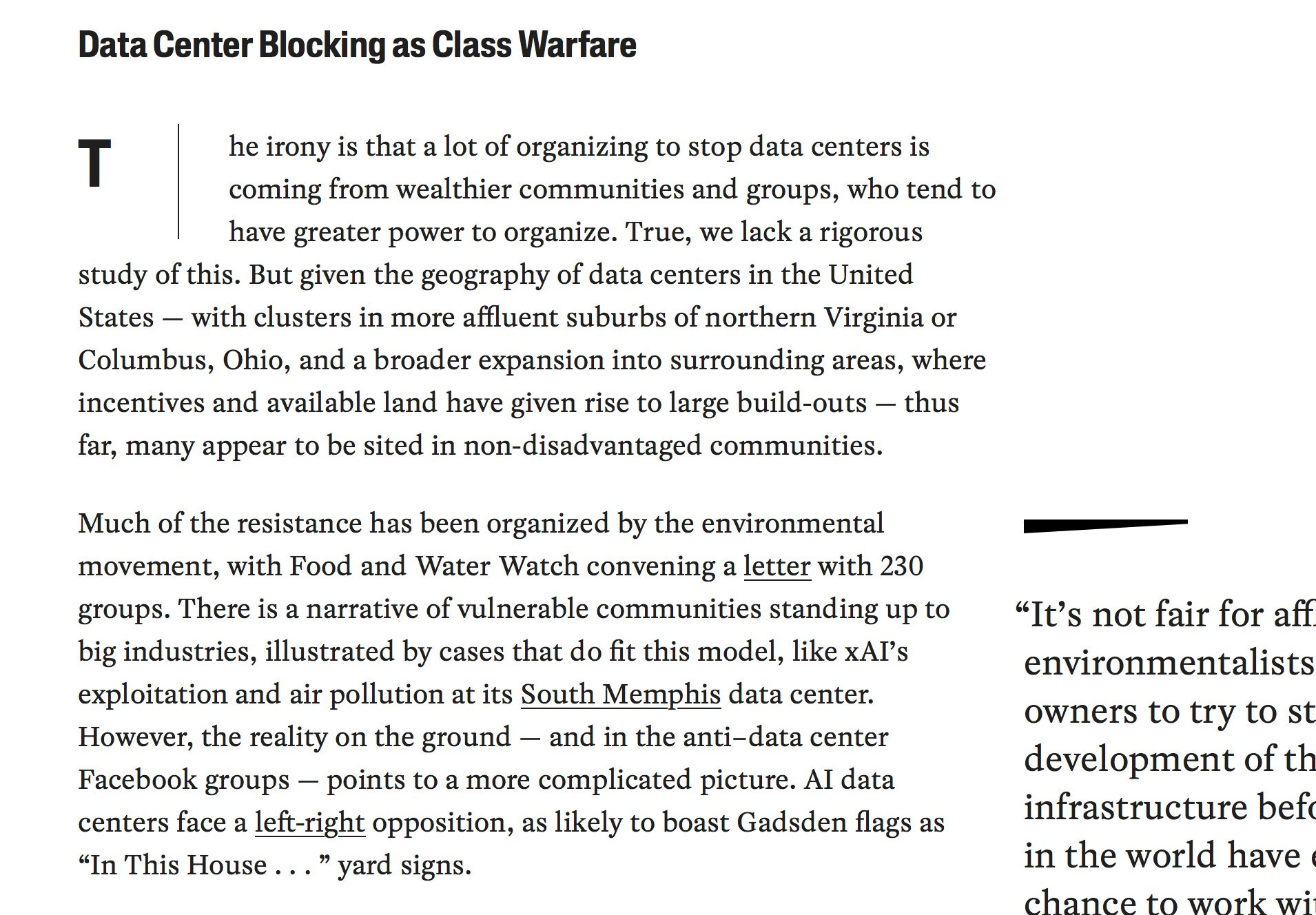
A lot of organizing to stop data centers is coming from wealthy people.
Probably. We don't actually know. But there are clusters of data centers in affluent suburbs -- and in surrounding areas, which I suppose by definition would be less affluent, since we didn't include them in the first category.
Sure, there's a "narrative" of vulnerable communities standing up to big industries. Such as, for example, in the only actual non-speculative instance we are going to identify in this entire piece, where people are sick of being poisoned by data centers.
But just imagine, for a moment, if one of the people who was opposed to getting poisoned, was a Republican.
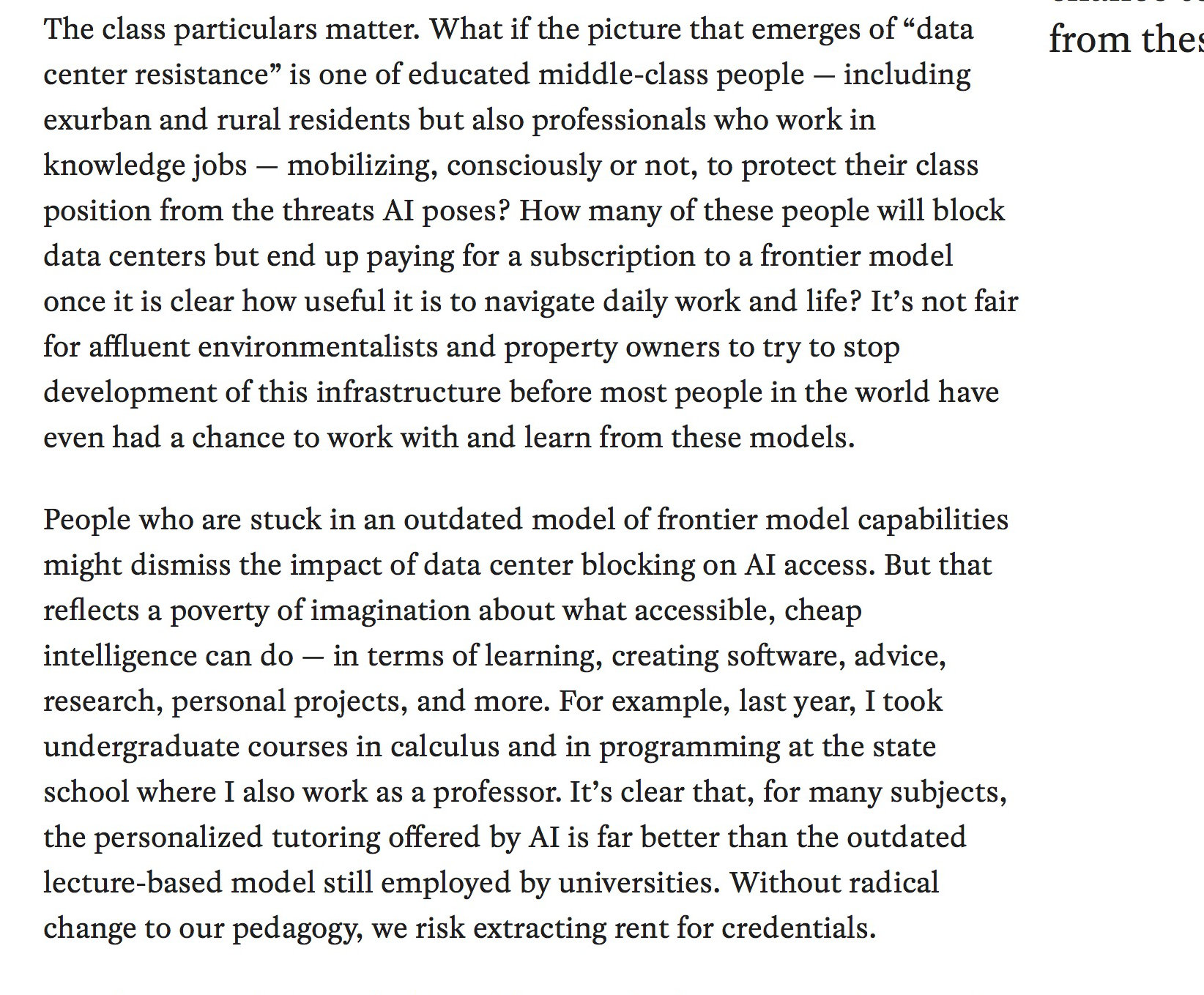

*Yeah, what if? You're clearly positioning this as an obvious negative, but it's not clear at all why it would be bad for middle class people to be annoyed about losing their jobs. It's kind of on you as the author to explore that a little bit more seriously.
**Uh, I don't know - how many? That seems like a stat you should be providing! The baseline assumption legible here is that almost every educated middle-class person has a subscription to a frontier model. To me, that seems like a totally insane assumption.
I guess I'm gonna reveal my own bias here, but I find it more than a little shocking that a professor is writing a piece in which they're like Yeah LLMs are better than professors. Maybe that makes me some kind of provincial hick.
And who the hell is "we" here that's extracting the rent for credentials. The anti-AI Left? Surely not.
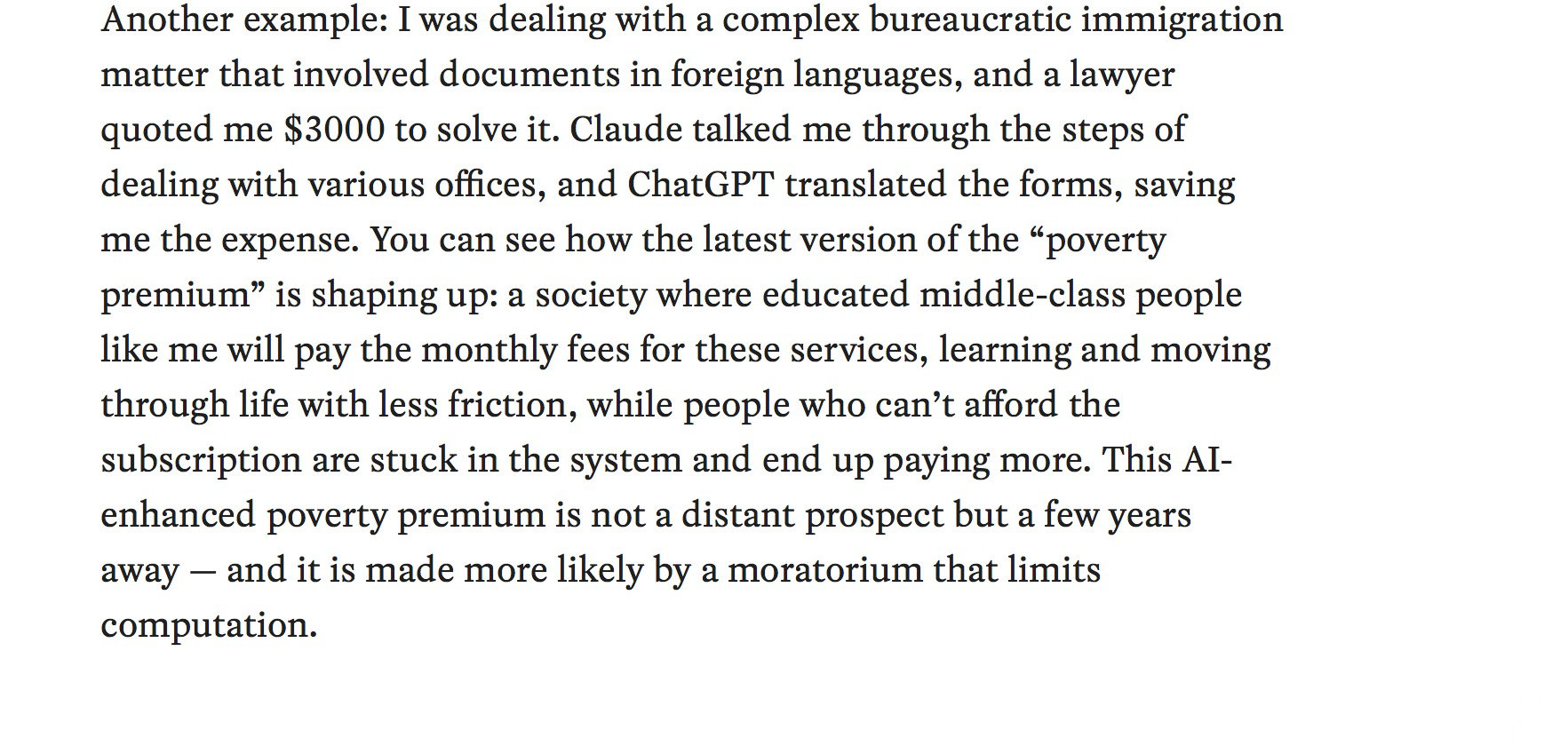
The only other example of the power of LLM subscriptions I could think of: My monthly $3000 lawyer bill.
Surely someone could pay $20 to subsribe for one month then cancel the subscription in the rare instances where they need thousands of dollars of legal advice from an LLM. Surely you're not suggesting the working class keep an LLM lawyer on retainer just in case.
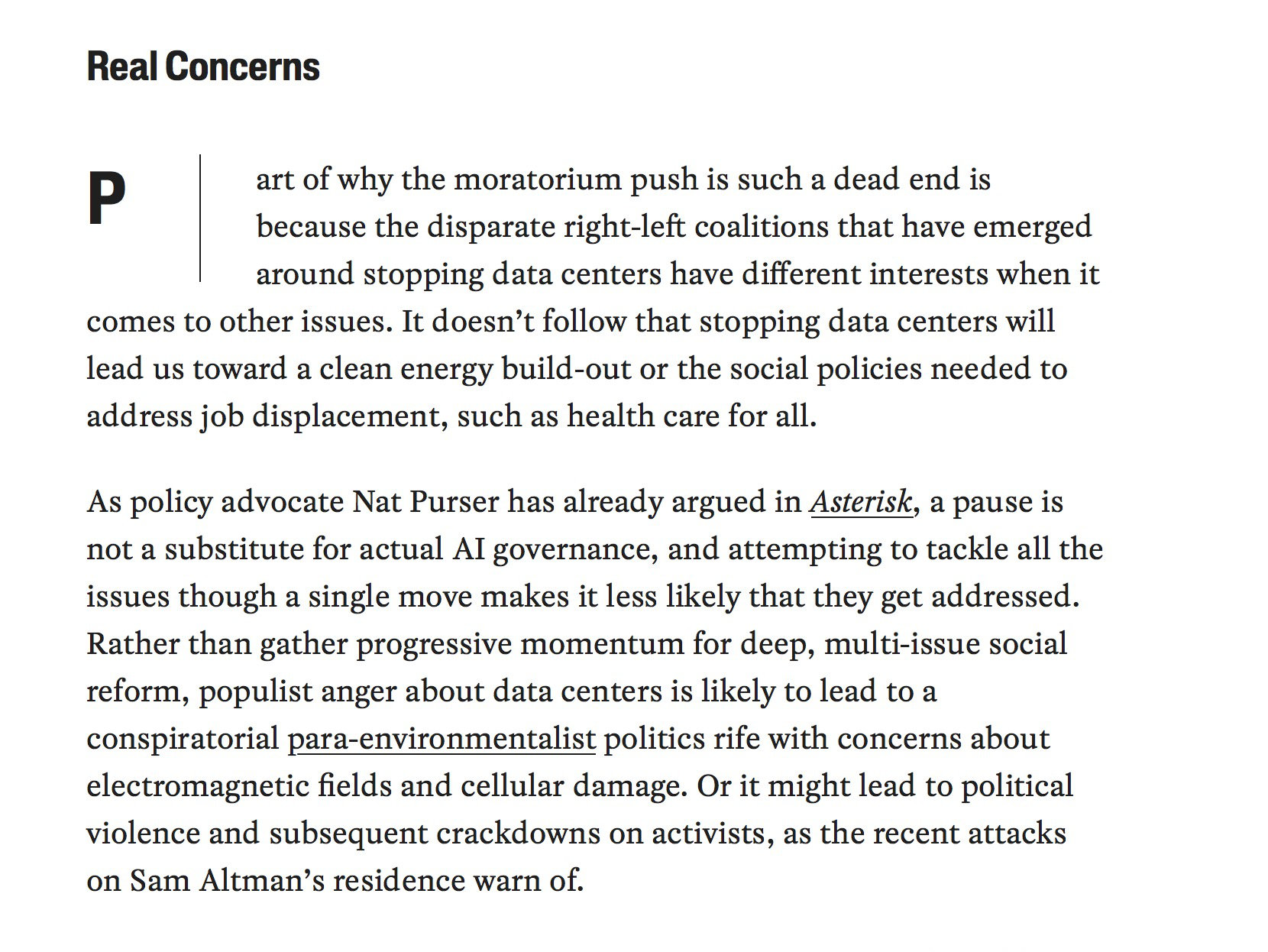
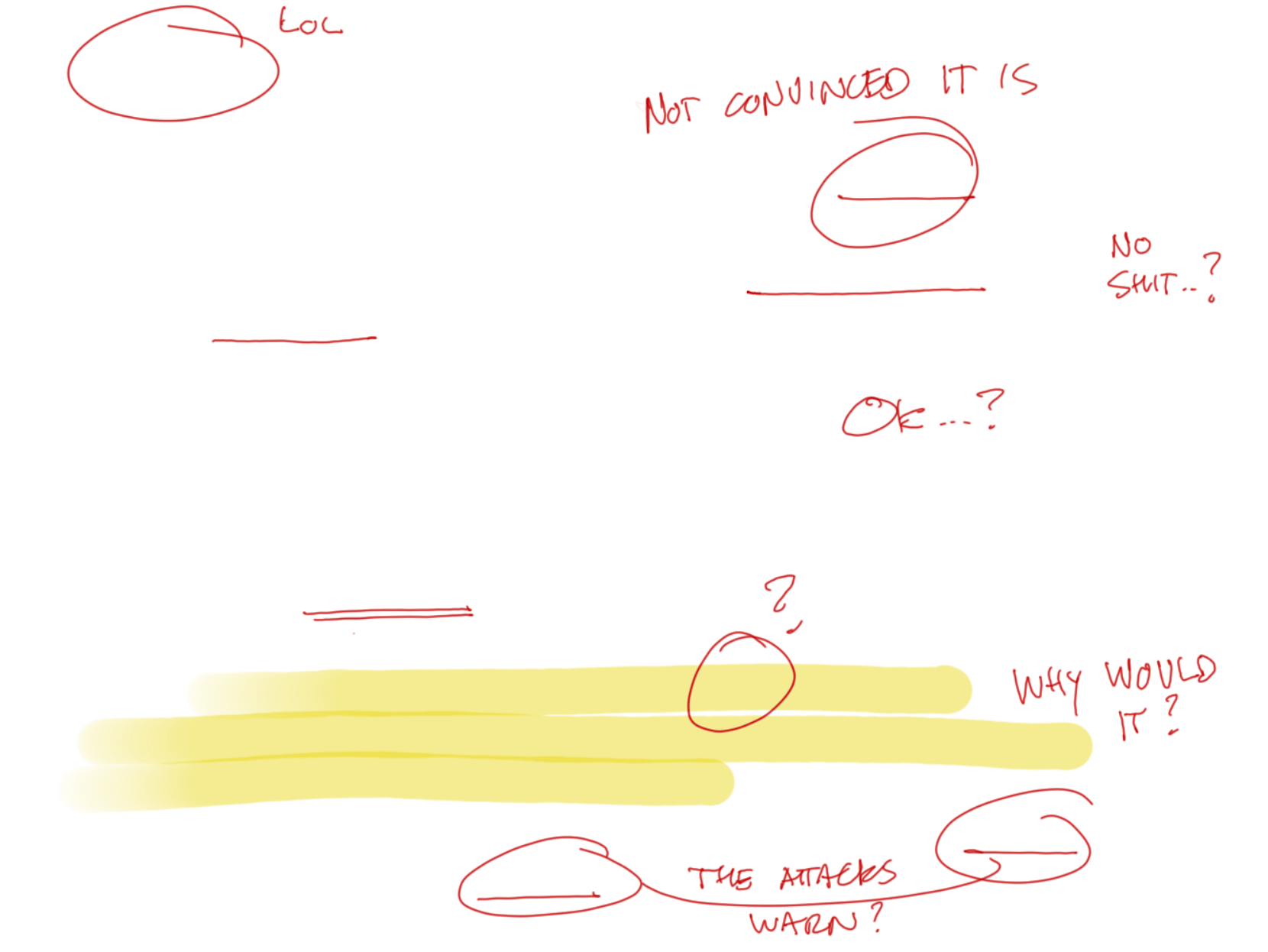
(Disregard any prior mentioned concernd - these are the real ones)
Interesting suggestion here that collaboration is impossible if you ever disagree on any item. Not sure I believe that personally. Astounding implications, certainly.
I mean... we go from "you can never work with anyone you disagree with" to "Well these moratoriums won't get us Medicare for All so what's the point" all the way to "If you oppose data center construction you're probably a schizo conspiracy theorist."
Sorry, those people in Memphis, with the actual problems, from before. Good luck with your electromagnetic fields you fuckin wackos.
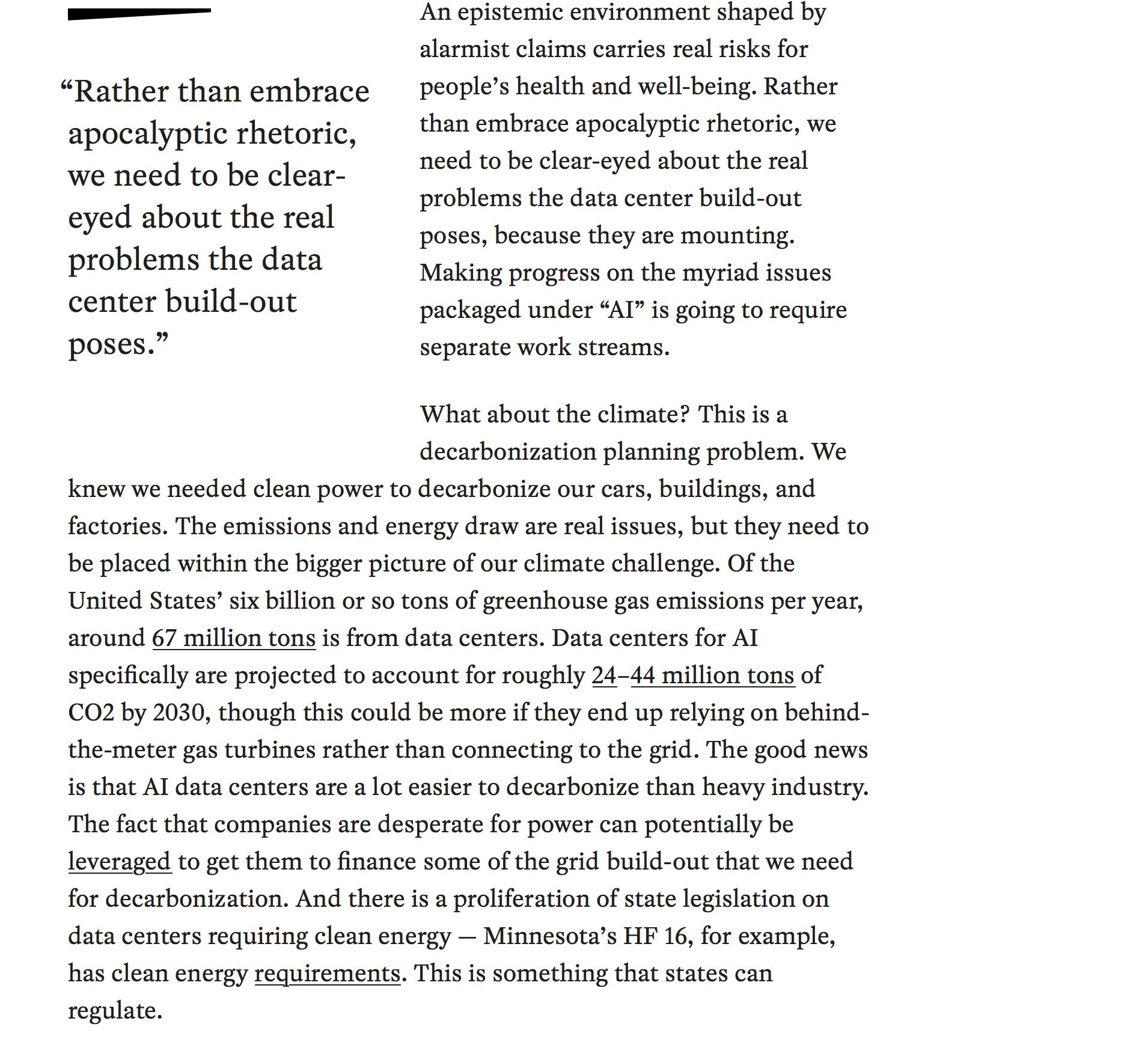
Bizarre framing. More bad writing.
Casual "Though this could be more" - awesome move.
OK, so we do have some leverage to get these companies to help us decarbonize the grid. That could be cool! Unfortunately we've already established that our entire objection
to data center moratoria in the first place is that increasing costs to these companies results in direct downstream impact on end-users who need LLM's to learn calculus and do a bunch of complicated
legal paperwork on a monthly basis.
So if I had to guess, probably they would pass along the costs of the grid build-out too. Not sure why that one would be any different.
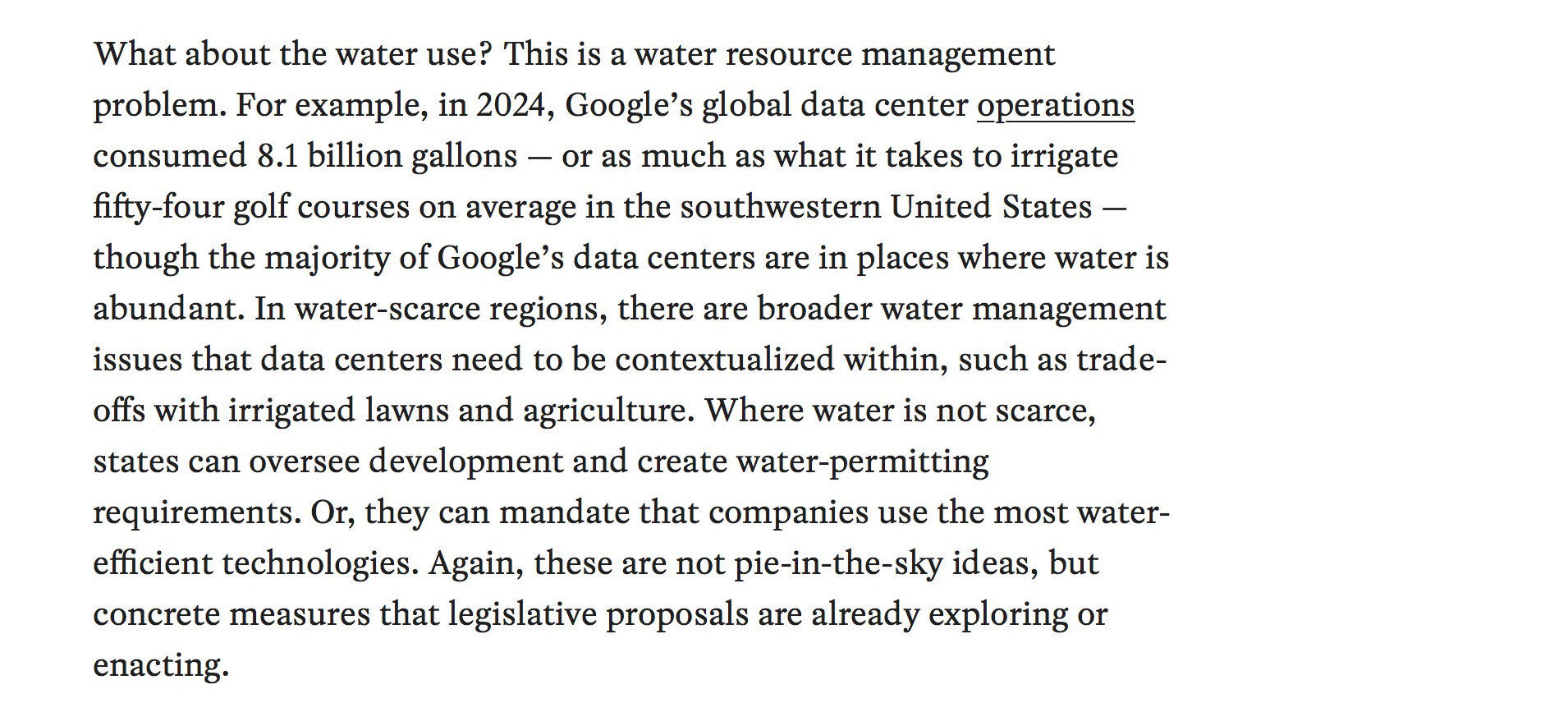
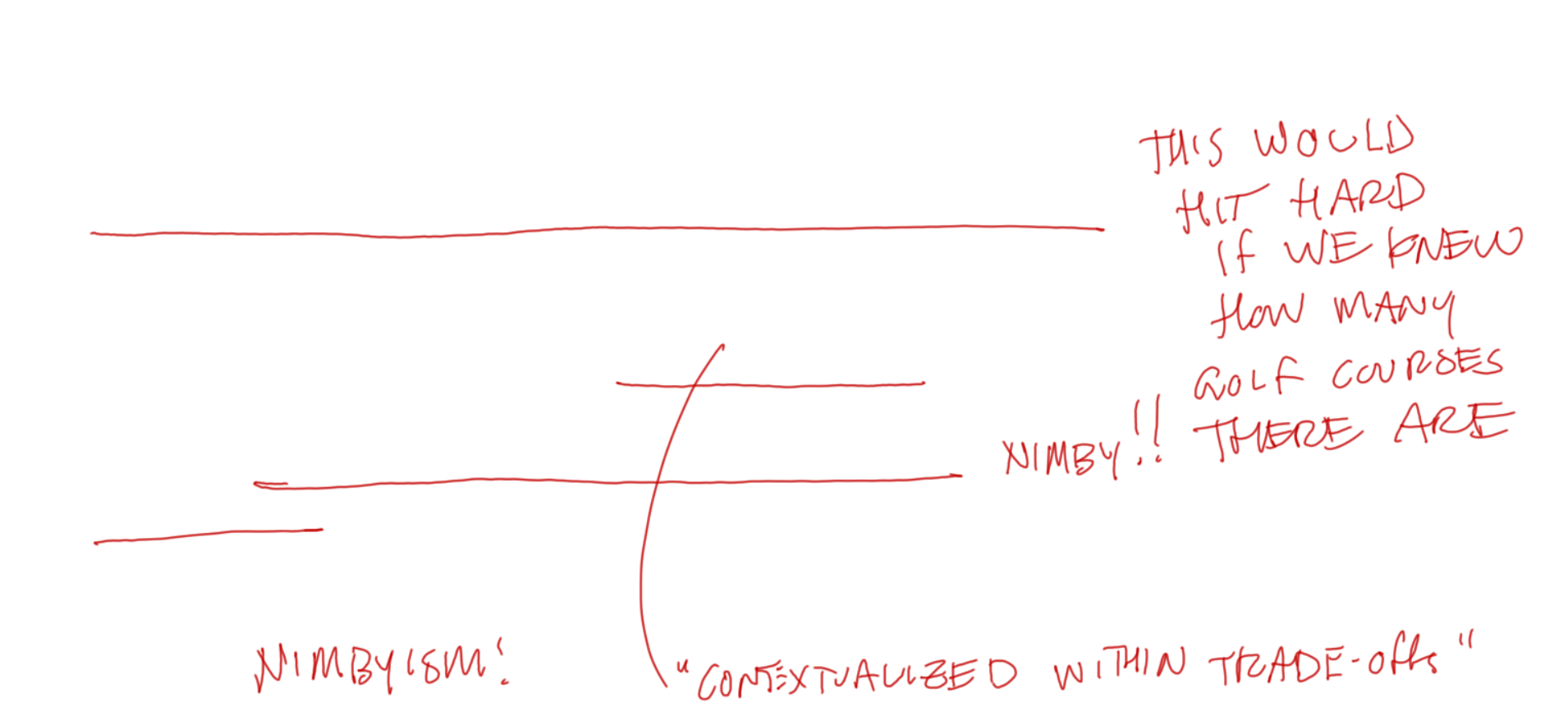
*Their water use pales in comparison to golf courses, probably. OK. But I mean... that's not really an argument *for* them, is it? Slamming my car into a concrete barrier at 45mph pales in comparison to slamming my car into a gas station doing 120. Like...?
**Look, if the water use is an issue, the relevant local communities can simply establish rules governing water use in order to determine whether or not their particular communities can support a data center. Do NOT say this is NIMBYism or moratoria. It's different from that. My phone's about to die so I gotta go.
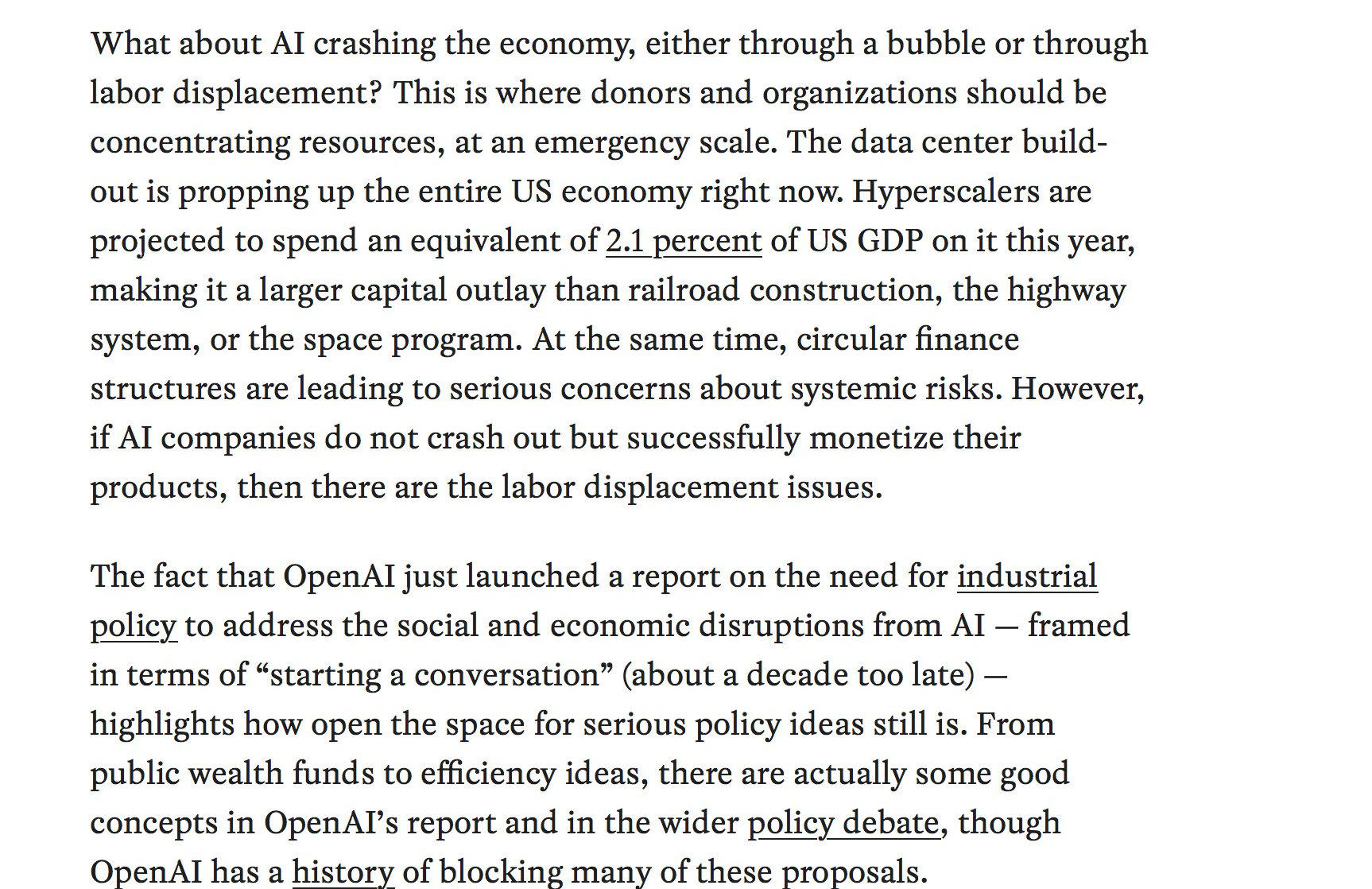
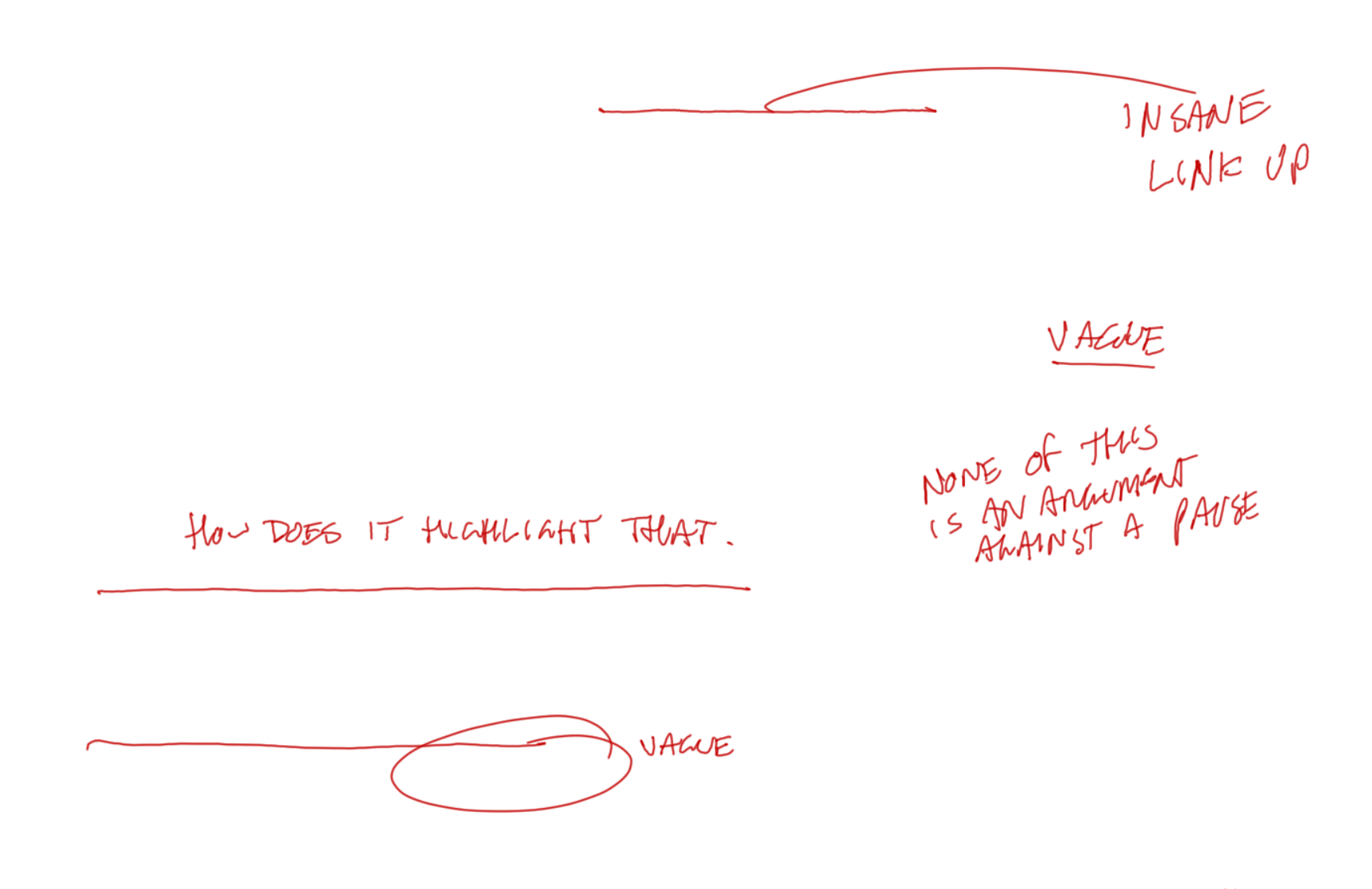
More clunky writing. Donors and organizations need to focus on labor displacement / a gigantic bubble, which probably does exist, based on these capex outlay numbers. For some reason, unspecified, this "focus" cannot take place under the umbrella of a moratorium.
Look, even OpenAI has pitched some ideas on industrial policy, which they have a history of opposing. That just goes to show that we should listen to them (?)
I mean... it's nonsense. Still have not really heard why any of this can't happen during a moratorium btw.
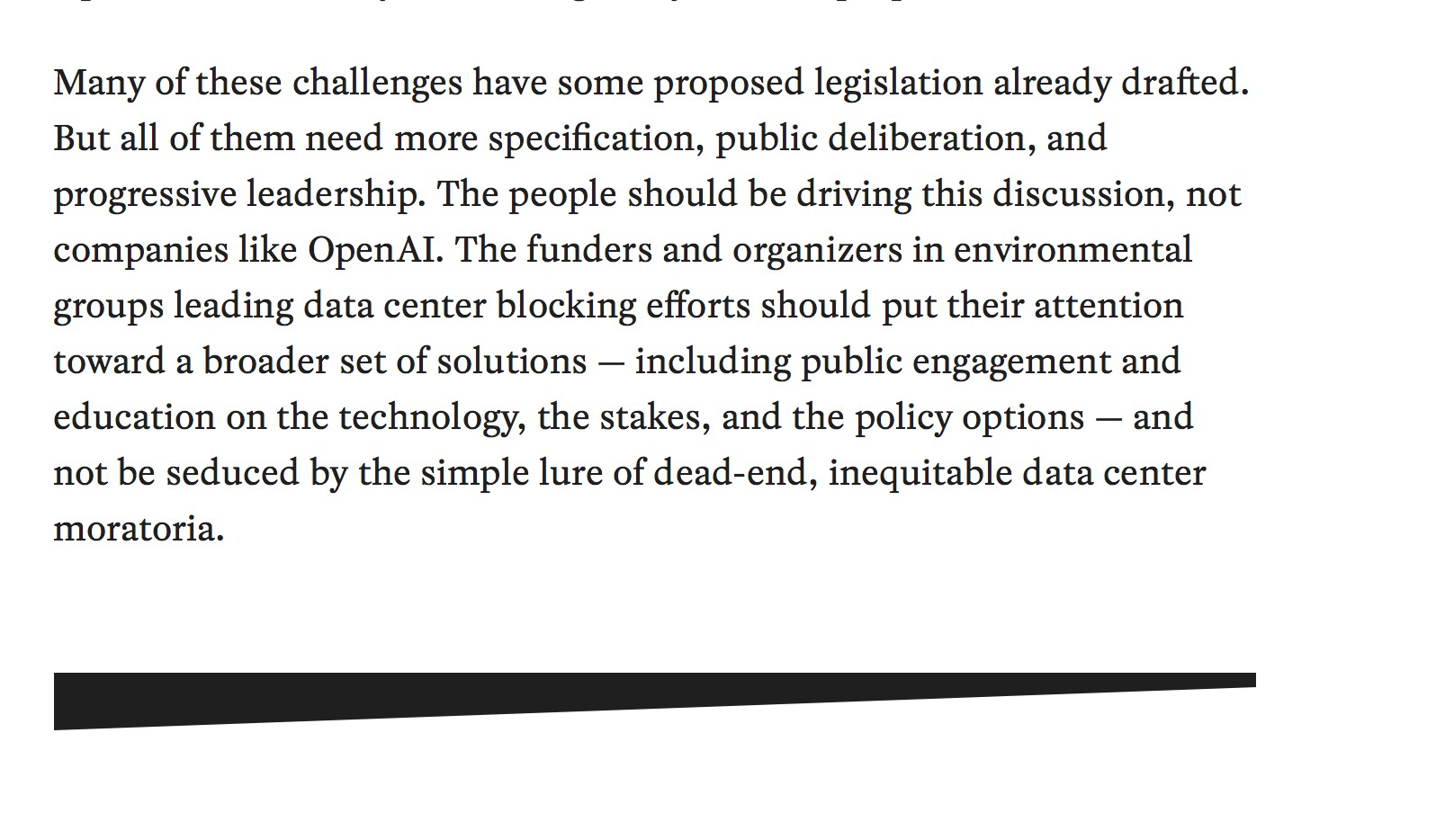
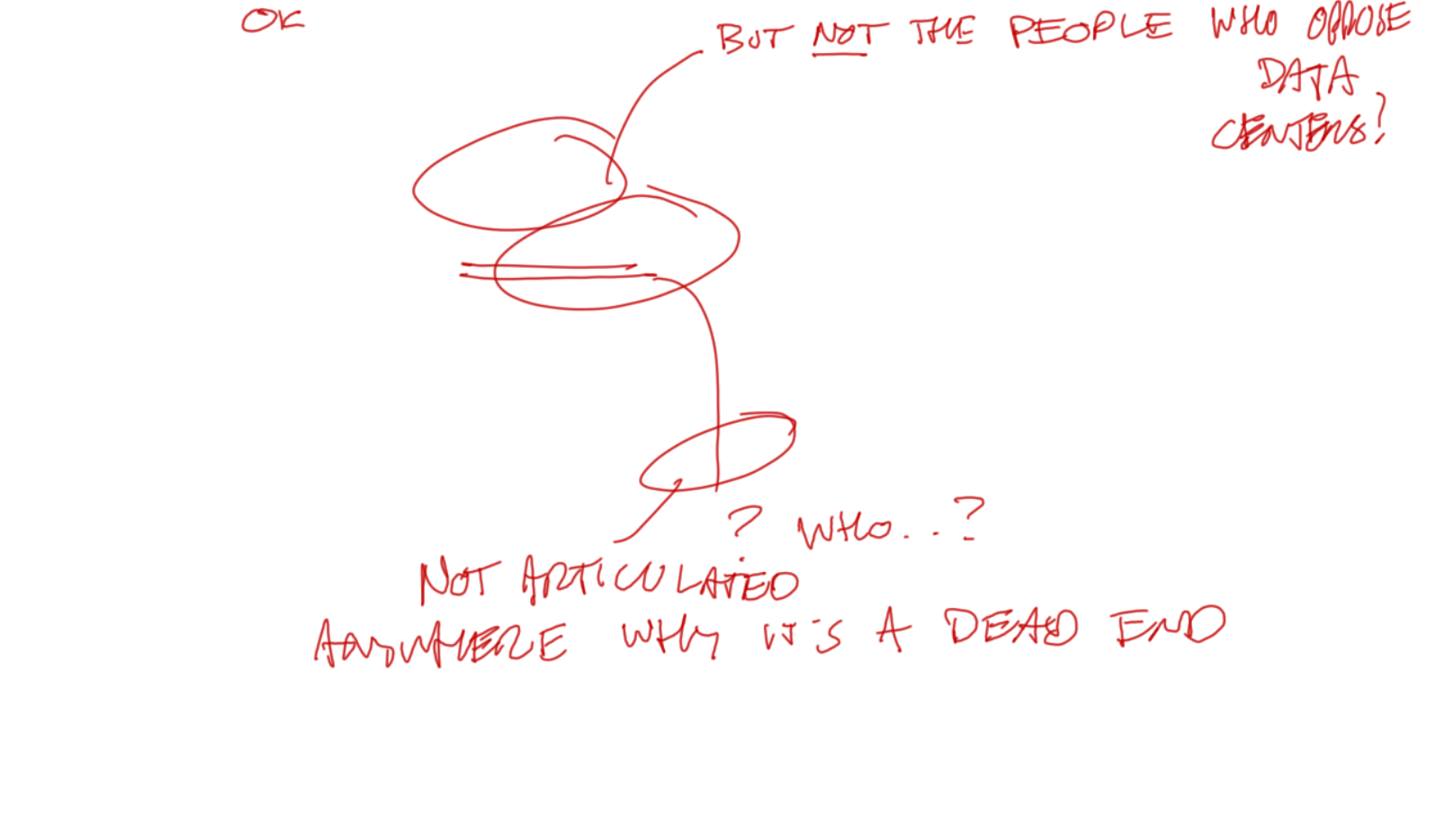
*Who is "The People"? We only know that they're not "The People" who are currently protesting data center buildout. And it's not OpenAI, although per the previous paragraph, they have a lot of good ideas that we should listen to. So it must be some other subset of People.
Who is saying this is a dead end? Who is characterizing moratoria as a permanent solution?? It's in the name! If you're going to keep characterizing this as a dead end, you probably should have spent
some time in the above essay articulating why exactly you think it's a dead end.
You didn't!
In Summary
Data center moratoria are being pitched as a leftist "solution" to the issue of AI (and wealth concentration)((and negative environmental impacts of data centers in communities)).
These moratoria are actually actively harmful, because they offshore the negative externalities. Those negative externalities belong here in the US. Plus, most of the people opposing them are middle class or wealthier, and
these data centers are being located in affluent communities -- except when they aren't, and except when they're not. We actually don't really know.
That's beside the point, though. In the New Economy, access to frontier LLM models is the difference between survival and oppression for many individuals (+small businesses +medium size businesses) and anything
that raises input costs of the hyperscalers during this buildout phase means more expensive monthly subscriptions to Claude Mythos TM.
Which means underserved communities probably won't learn math as well, and they'll have to pay real lawyers an awful lot of money.
And it's not fair that developing communities have to pay more to goof around with LLMs.
And there's actually probably tons of real reasons to be using these all the time, it's not just that I've gigafried my own brain to the point where I see a 2 year old technology as being as indispensable as drinking water, trust me, I am a professor!
So we need to keep these companies' costs down, leftistly. And by the way, if we don't offshore them, we can get them to pay to improve our power grid. This won't increase costs though.
Plus, have you even seen some of these people protesting these things?
If they're not wealthy, which they probably are but we don't know, (again, with the exception of those poor people in Memphis, but they're the minority here, probably) they're almost certainly insane anti-vaxxers. You really wanna pal around with those guys?
Look, the bottom line is, there are some real challenges that we need to face, but moratoria are the wrong tools. They're a dead end approach. Once they pass, people are gonna totally give up on regulating things like power, water, and job loss for some reason. Poof. All that energy, dissipated by Bernie Sanders and his coterie of wealthy environmentalists.
What Happened Here
To take the charitable view (i.e., to assume Holly Beck is not some kind of paid shill) as best I can tell, the entirety of this piece is reverse-engineered from a couple of pretty big assumptions. These assumptions don't really pass the smell test for me but here they are, I'm pretty sure:
- It is actually important for everyone to have access to frontier-level LLM's, even outside of their workplace, to the point that it's a genuine equity + quality of life concern for the Left. These models have become completely load-bearing fixtures in contemporary life in the past 2-3 years and it's unfair to expect people to live without access,
- Hyper-scale construction of these data centers is a given, it will happen no matter what, whether that's in the US or elsewhere,
- Moratoriums will kill any further organizing in the general AI sphere if they pass ("dead-end" theory),
- Any increased costs of data-center buildout will be passed along to subscribers, therefore:
- The Left must quit doing stuff that will raise costs for the hyperscalers
I'm pretty sure this is the core argument. Confusingly, Beck then added a bunch of other stuff that either detracts from or is irrelevant to this core point, stuff like:
- If we don't slow down their data centers, the Left can push the hyperscalers to help the US decarbonize its grid - although you'd think these costs would also get passed along.
- The author's personal vibe-based beliefs that most of the protests are being done by rich people who live in affluent areas and who almost assuredly hypocritically maintain subscriptions to frontier-level LLM's
- Some cursory acknowledgements of the very real issues in places like Memphis
- Forming political coalitions with right-wingers to accomplish goals where there is agreement is always bad
- LLM's are better teachers than humans (?)
- If water use is a serious problem, local jurisdictions can always regulate data centers based on their own local contexts (as long as it's not the NIMBYs doing it)
- AI is actually a genuine threat to the economy, to jobs, and the hyperscale data center construction boom is low key pretty insane when you compare it to other massive historical construction projects, but we don't really need to get into that for some reason.
And conveniently left completely unremarked on throughout the entire piece is, of course, the fact that the hyperscalers are *already* raising subscription costs in an attempt to quit bleeding cash and show some actual revenue
Not too clear on how the Left is supposed to tackle that one but one assumes that any increase in cost, regardless of cause, oughta be treated with equal urgency.